
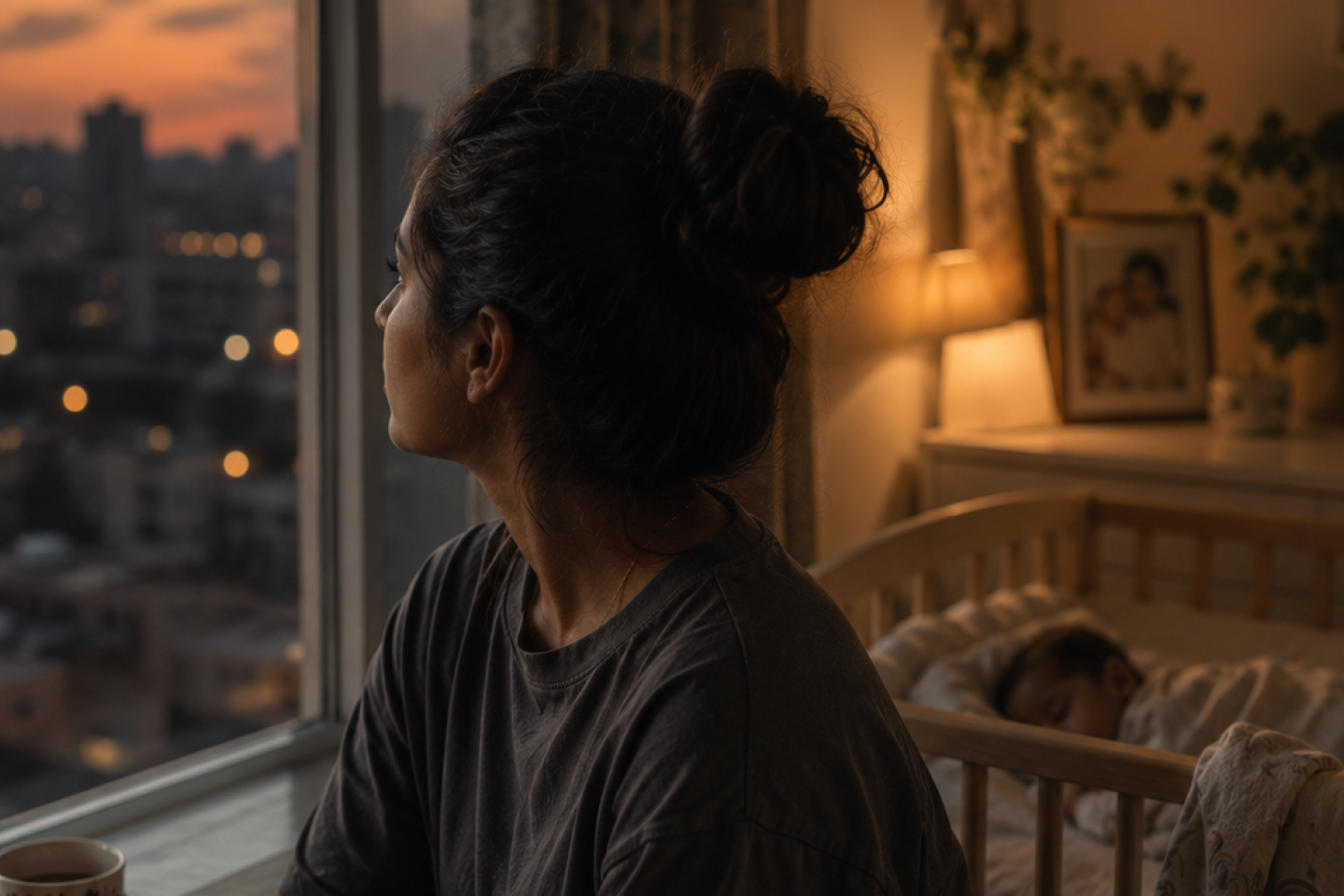
The Broad Guidance
Major health bodies suggest avoiding screens (other than video calls) before about 18 to 24 months, and limiting and co-viewing thereafter. The concern in the youngest children is mainly displacement; screen time replacing the interaction and movement that drive development.
What Matters Most
- Content: slow, simple, conversational programmes beat fast, frantic ones.
- Co-viewing: watching together and talking about it turns passive viewing into learning.
- Context: screens at mealtimes and before bed are the most disruptive.
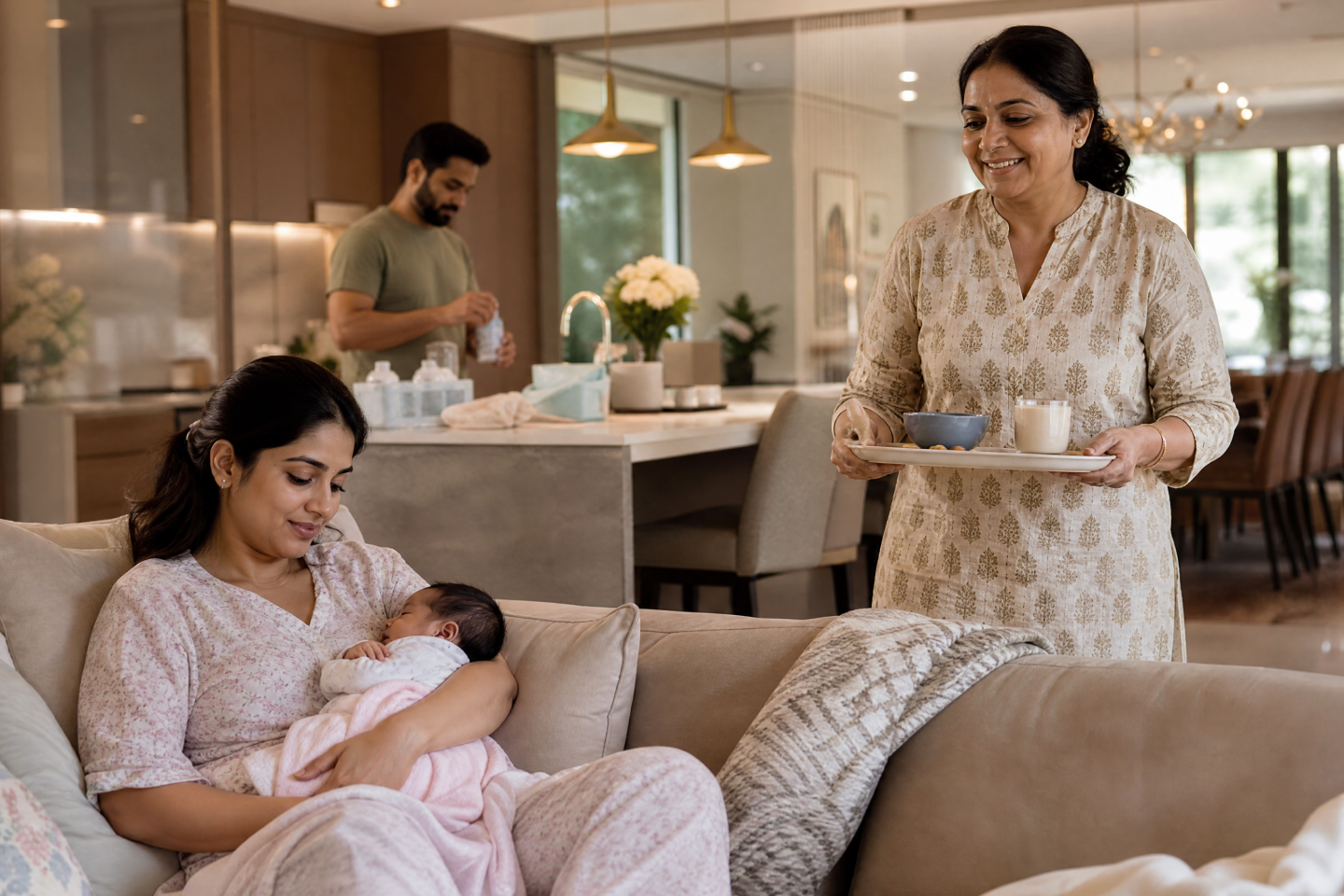
A Realistic Indian Reality
Between work, joint-family routines, and the occasional desperate need to finish a phone call, total avoidance is rarely practical. Research supports a calmer approach than guilt: keep screens out of the youngest years where you can, and make the screen time that does happen slower, shorter, and shared.
Healthy Habits
- Keep bedrooms and mealtimes screen-free.
- Choose a few good programmes rather than endless autoplay.
- Model your own screen boundaries; children copy what they see.