
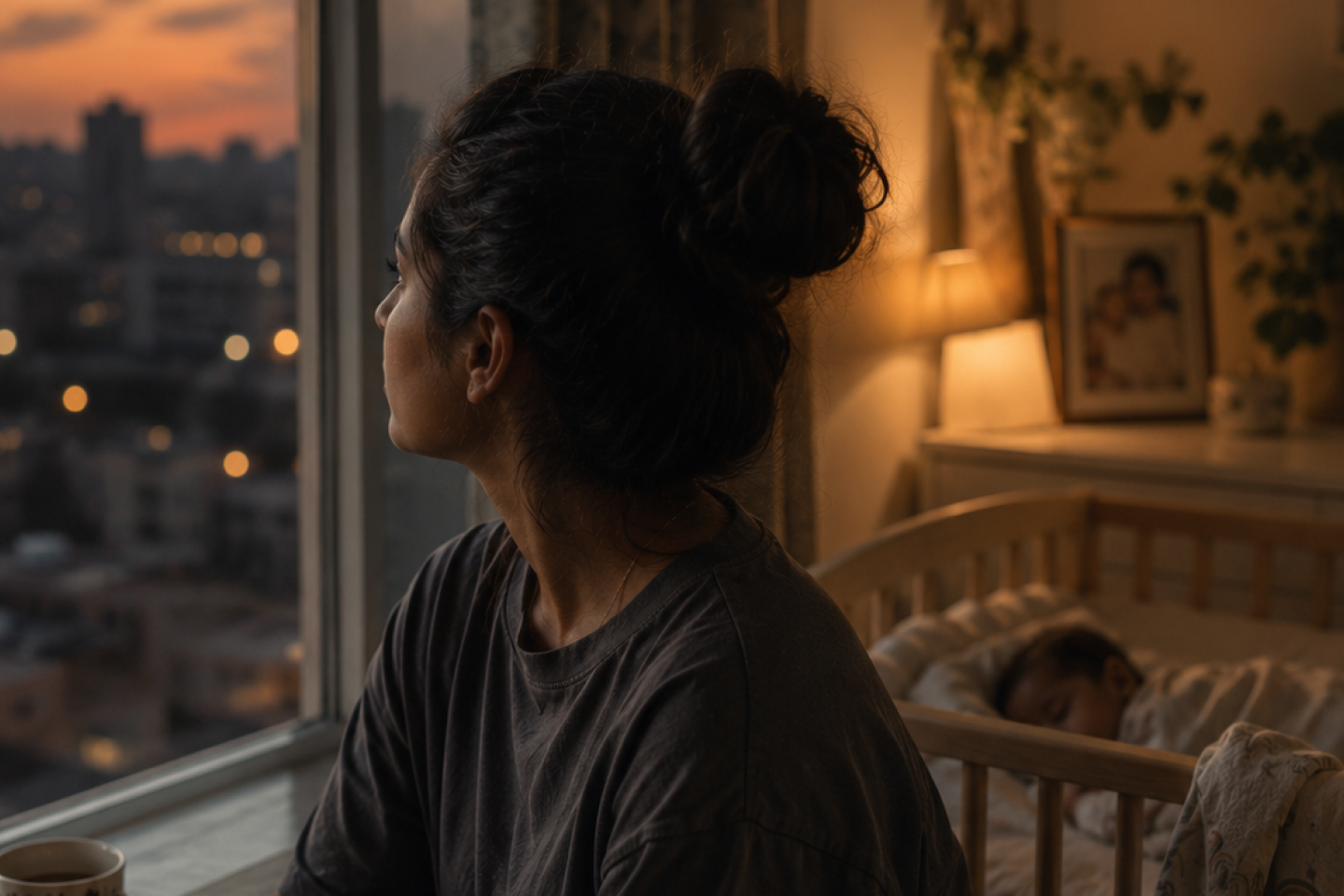
The First Two Weeks
Expect vaginal bleeding (lochia) for up to six weeks, gradually lightening from red to pink to white. Perineal soreness or a C-section incision require specific care; ice packs, sitz baths, loose clothing, and keeping the area clean and dry. Do not attempt to ‘bounce back’ physically in this window. Your uterus is returning to its pre-pregnancy size, a process called involution that takes roughly six weeks on its own, and your hormones are in dramatic flux. Rest is not optional; it is the primary treatment.
Nutrition Priorities
Iron (to replace birth-related blood loss), calcium, and adequate protein for tissue repair and milk production matter most in these weeks. Traditional Indian postpartum foods; methi laddoos, panjiri, gond ke laddoo, dry fruit preparations, and warm ghee-rich dishes; exist for good reason: they are typically dense in the exact nutrients a healing, breastfeeding body needs, and worth keeping alongside modern dietary advice.
Movement and Rest
Gentle walking can usually begin within the first week if recovery is uncomplicated, but structured exercise, including abdominal work, should wait for medical clearance; generally six weeks for a vaginal birth and longer after a C-section. Pelvic floor recovery deserves particular attention; a pelvic floor physiotherapist can be invaluable and is still underused by new mothers in India.
When to Seek Help
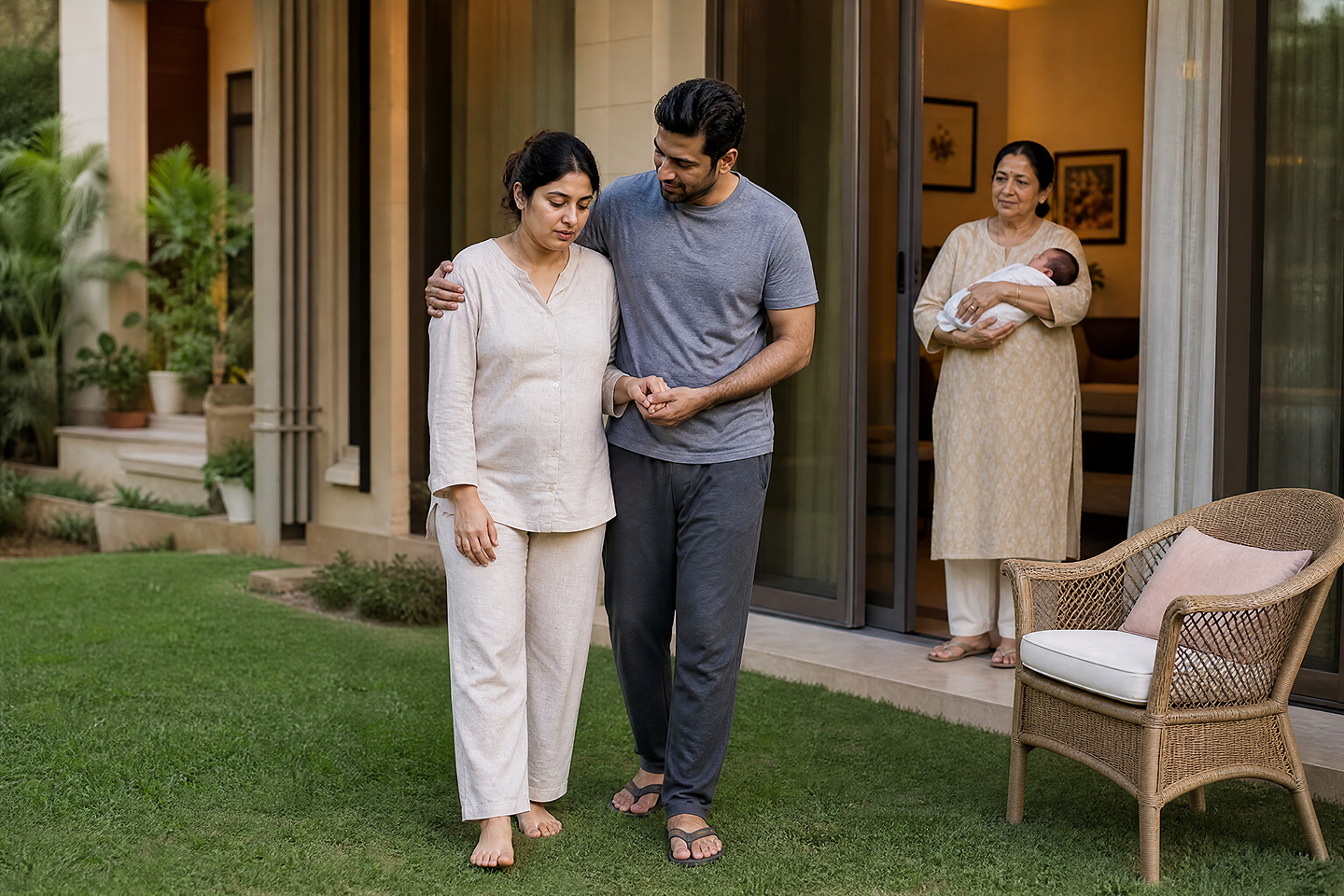
Fever over 38°C, heavy bleeding (soaking more than one pad an hour), wound redness, swelling, or discharge, persistent headache or vision changes, and difficulty urinating or with bowel movements all warrant immediate medical attention.
The Six-Week Check Is Not Enough
Many physical complications and mental health challenges emerge after the standard six-week postnatal check. Advocate for your own care-; follow up if something doesn’t feel right, whenever it occurs, rather than waiting for the next scheduled appointment.